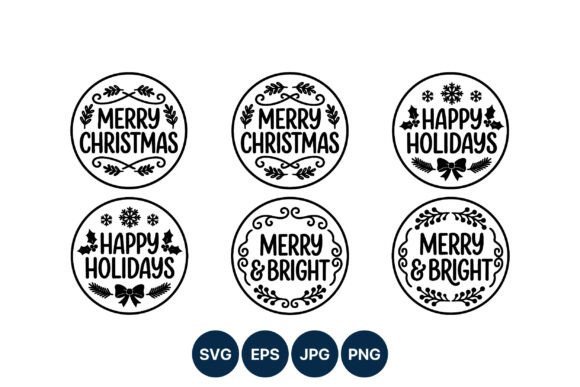
Merry Christmas Happy Holidays Holiday Illustrations Review
As a digital publisher who has spent years refining the visual architecture of high-traffic blogs, I have learned that aesthetics are not merely decorative. They are functional. When I first opened the file for Merry Christmas Happy Holidays Holiday, my immediate reaction was one of relief. In the chaotic rush of Q4 content planning, finding a graphic design asset that balances festive cheer with editorial polish is notoriously difficult. This collection does not scream for attention with garish colors; instead, it invites the reader in with a composed, professional warmth that aligns perfectly with modern web design standards.
The mood this asset creates is distinctly lifestyle-focused yet refined. It avoids the cliché cartoonish tropes often found in free stock libraries, opting instead for a cleaner, more artistic approach. For bloggers and content creators, this distinction is vital. Your audience’s perception of your brand’s authority is subconsciously tied to the quality of your visuals. If your website header looks amateur, your advice may be perceived as such. These Illustrations bridge that gap, offering a seasonal touch that feels curated rather than copied.
Integrating Festive Visuals into Real Publishing Workflows
Let us discuss practical application. I tested these assets across several real-world publishing scenarios, starting with blog featured images. The composition of Merry Christmas Happy Holidays Holiday allows for excellent negative space, which is crucial when overlaying headline text. Whether you are using a bold sans serif font for a modern look or a delicate script font for a feminine touch, the graphics provide a stable background that enhances readability rather than competing with it.
Beyond the blog post itself, this asset shines in social media distribution. For Pinterest marketers, creating vertical Pinterest pin designs that stand out in a crowded feed is essential. The vertical adaptability of these illustrations means you can create multiple pin variations without losing visual integrity. I also utilized them for newsletter headers. Email clients are notoriously restrictive regarding image rendering, but because these designs rely on strong shapes and clear contrast, they remain impactful even when compressed. This consistency strengthens your brand identity across channels, ensuring that a subscriber recognizes your email before they even open it.
Driving Performance Through Visual Hierarchy
Why does this matter for your bottom line? Because visual hierarchy drives clicks. A well-designed social media graphics package or article thumbnail reduces cognitive load for the user. When a reader scans a category page, their eye is drawn to clarity and beauty. By using Merry Christmas Happy Holidays Holiday as category thumbnails or hero images, you create a cohesive visual system that signals professionalism. This builds reader trust, which is the currency of content marketing and affiliate marketing.
I found that using these illustrations in digital products significantly elevated their perceived value. If you are creating a digital guide, a holiday-themed checklist, or a lead magnet intended to grow your email list, the cover design matters. A polished cover suggests that the content inside is equally high-quality. These assets work beautifully as accents in eBooks, worksheets, and printable design resources. They transform a basic PDF into a premium digital download that users feel excited to share.
Strategic Placement and Cautionary Notes
While versatile, this asset is not a universal solution for every layout. It works best in hero images, article thumbnails, and dedicated editorial design sections where it can breathe. However, exercise caution when using it in small mobile thumbnails. Intricate details may get lost on smaller screens, so always test the scalability. Additionally, avoid placing these graphics over busy backgrounds or low-contrast areas. The goal is to maintain legibility.
For corporate niches or strictly minimalistic brands, these illustrations might feel too decorative. If your website relies on a stark, monochromatic visual system, introduce these elements sparingly, perhaps only in seasonal banners or specific Canva template overlays for social posts. They should complement your existing aesthetic, not overpower it. Always consider the context: a playful illustration may undermine the seriousness of a financial advice post, but it will perfectly enhance a gift guide or holiday recipe roundup.
Technical Considerations for Publishers
Before deploying any new design assets, I run a strict technical audit. First, check the file size. Large images slow down page load times, which negatively impacts SEO and user experience. Ensure you compress the files appropriately for web use without sacrificing quality. Second, test the contrast. Place the illustration beside different font styles—serif, sans serif, handwritten, and display—to ensure harmony. Third, verify the licensing. Since we operate in the realm of commercial design, confirming a valid commercial license is non-negotiable, especially if you are using the asset on monetized websites, affiliate pages, or in paid content products.
I also recommend previewing the asset in black and white. This quick test reveals whether the design relies too heavily on color for its structure. A strong graphic should hold its form regardless of hue. Finally, view the asset on both desktop and mobile devices. What looks balanced on a 27-inch monitor may appear cramped on a smartphone. Adjust padding and margins accordingly to maintain a clean, professional presentation.
In conclusion, Merry Christmas Happy Holidays Holiday is more than just a seasonal decoration. It is a strategic tool for enhancing small business branding and elevating the perceived quality of your digital presence. By integrating these Illustrations thoughtfully into your blog graphics, newsletters, and digital products, you create a more engaging, trustworthy, and visually appealing experience for your audience. In the competitive landscape of the creative marketplace, such attention to detail is what separates hobbyists from professional publishers.