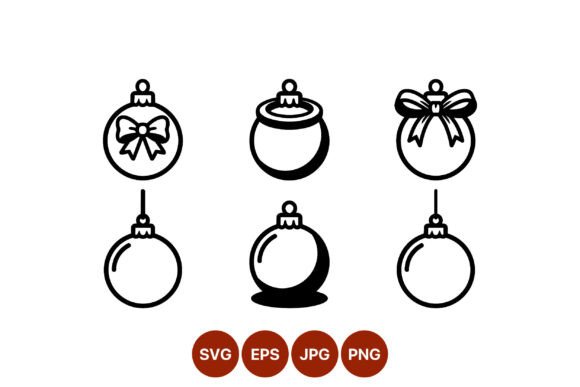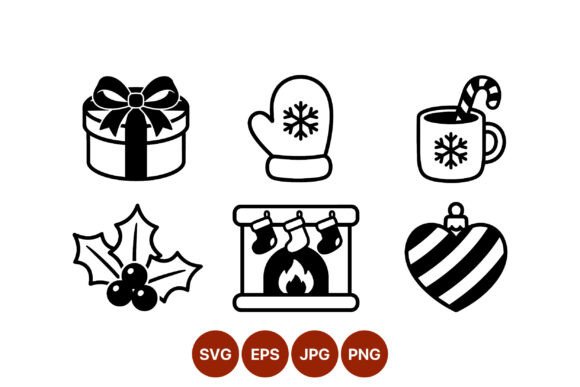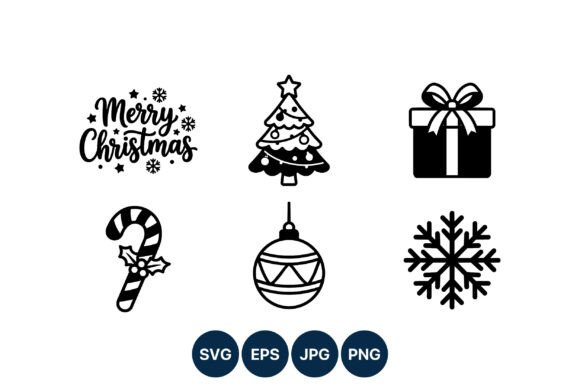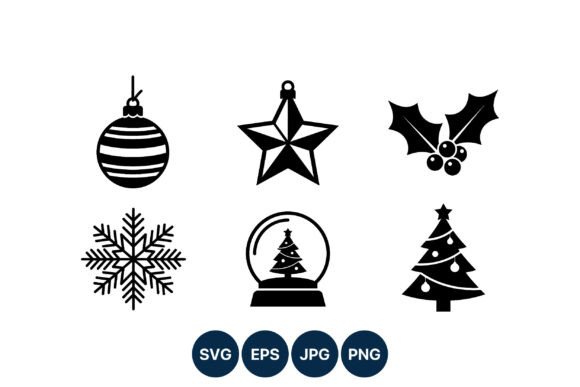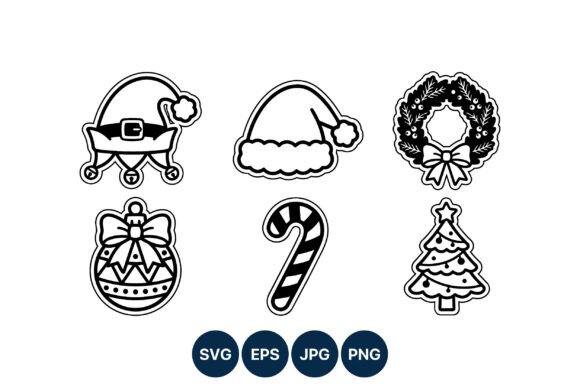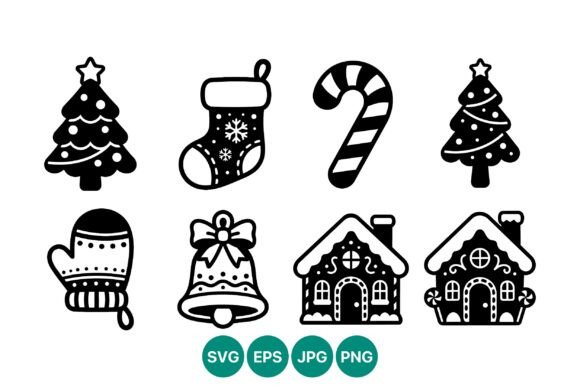
Reviewing the Christmas Winter Holiday Black White Design
As a designer who has spent countless hours digitizing and stitching out holiday motifs, I have learned that not every festive graphic translates well to thread. When I first pulled up the Christmas Winter Holiday Black White file, my immediate reaction was one of cautious optimism. In the world of Illustrations, high-contrast monochrome designs can be tricky. They rely entirely on shape and negative space rather than color gradients to convey their message. For an embroidery project, this means the design must have clean lines and intelligent spacing to avoid becoming a muddy mess of thread.
I approached this review with a specific real-life scenario in mind. A local boutique owner had commissioned me to create a line of premium holiday tote bags and aprons for her end-of-year sale. She wanted something modern, minimal, and versatile enough to appeal to customers who might find traditional red and green too loud. This is where Christmas Winter Holiday Black White entered the conversation. The goal was to determine if this design could carry the weight of a commercial product while maintaining the delicate balance required for machine embroidery.
First Impressions and Visual Personality
The mood of this design is understated yet festive. It avoids the clutter often found in holiday graphics, opting instead for a cleaner aesthetic. From a technical standpoint, the black and white palette forces the eye to focus on the structural integrity of the shapes. For embroidery designers, this is both a blessing and a curse. There are no colors to hide poor stitch placement or jagged edges. Every curve and corner must be precise.
The layout feels balanced, which is crucial when working with limited hoop space. Whether you are using a 4x4 inch hoop for a small patch or a larger frame for a sweatshirt, the composition holds together. The visual personality suggests sophistication. It does not scream "holiday" in a cartoonish way; rather, it whispers it through iconic winter imagery. This makes it an excellent candidate for brands that prioritize minimalist branding over seasonal gimmicks.
Performance in Real-Life Embroidery Scenarios
To test the viability of this machine embroidery design, I considered several common applications. For custom apparel, such as a charcoal grey sweatshirt, the contrast works beautifully. The white threads pop against the dark fabric, creating a crisp, professional look. However, when I imagined this same design on a white cotton tote bag, the dynamics shifted. Here, the black elements would need to be dense enough to cover the fabric weave completely, otherwise, the background might show through, ruining the illusion of solid black.
For baby embroidery projects, such as a onesie or a soft blanket, the design’s simplicity is an asset. Complex, dense fills can make garments stiff and uncomfortable for infants. If this design utilizes appropriate fill stitch density and incorporates running stitch outlines effectively, it can remain soft to the touch. Similarly, for an embroidered patch intended for a winter coat, the bold lines would ensure durability and visibility from a distance.
Etsy sellers and small shop owners will appreciate the versatility of this asset. It fits seamlessly into the "modern farmhouse" or "Scandinavian minimal" trends that dominate handmade marketplaces. When used in printable mockups or digital product previews, the high contrast ensures the design remains legible even at thumbnail size, which is critical for online conversion rates.
Technical Considerations and Fabric Challenges
While the aesthetic is strong, practical application requires careful attention to detail. One major concern with black and white designs is the potential for puckering on stretchy fabrics. If you are applying this to a cap or a fitted t-shirt, you must use a high-quality stabilizer. I recommend a cut-away stabilizer for garments that will undergo frequent washing, as it provides long-term support for the stitch density.
Textured fabrics present another challenge. On a thick wool blanket or a textured kitchen towel, fine details can get lost. If the Christmas Winter Holiday Black White design includes tiny lettering or intricate corners, these elements may merge together on rough surfaces. I advise testing the design on scrap fabric that matches your final product material before committing to the full run. Check the stitch density carefully. If the black areas are too dense, they can pull the fabric; if they are too light, the fabric grain will show through.
Curved surfaces, like the front panel of a baseball cap, require special handling. The design must be centered perfectly, and the hooping technique must be tight to prevent shifting. Satin stitches, if used for borders or text within the illustration, must be kept narrow to avoid snagging. Always inspect the small details after the test stitch-out. Are the corners sharp? Is there any thread bunching? These minor issues can significantly impact the perceived quality of the finished product.
Enhancing Brand Value and Customer Trust
Using a well-executed design like this can elevate the perceived value of your handmade product. Customers associate clean, precise embroidery with professionalism. When a buyer sees a crisp, high-contrast design on a tote bag or apron, they infer quality craftsmanship. This builds trust and encourages repeat business. For craft business owners, consistency is key. If this design aligns with your brand’s visual identity, it reinforces your market position.
Moreover, the neutrality of the black and white scheme makes it a safe choice for personalized gifts. It appeals to a broad demographic, including those who prefer gender-neutral or non-traditional holiday decor. This broad appeal can increase buyer engagement and reduce the risk of unsold inventory for small shop products.
Practical Notes for Designers and Makers
Before you purchase or download this digital embroidery file, there are several steps you should take to ensure success. First, verify the license terms. Confirm whether the file allows for commercial use if you plan to sell finished items. Never assume; always read the documentation provided by the creator.
- Test on Scrap Fabric: Always run a test stitch on the same type of fabric you intend to use for the final product.
- Check Thread Contrast: Ensure your white thread is bright enough to stand out against dark fabrics, and your black thread is deep and rich.
- Review Stitch Density: Adjust density settings if your machine allows, especially for lightweight fabrics.
- Confirm Hoop Size: Make sure the design dimensions fit comfortably within your available hoop size without requiring excessive re-hooping.
- Inspect Small Details: Zoom in on the digital preview to check for tiny elements that may not stitch out cleanly.
- Use Proper Stabilizer: Match the stabilizer type to the fabric weight and stretch.
In conclusion, Christmas Winter Holiday Black White is a compelling option for designers seeking a modern, versatile holiday motif. It performs best when treated with respect for its technical requirements. By paying attention to fabric choice, stabilizer selection, and stitch quality, you can transform this simple illustration into a standout piece of commercial embroidery. Whether for a boutique gift or a personal keepsake, its clean lines and timeless appeal offer a solid foundation for creative expression.